
I get the same call all the time from Auckland homeowners: “Can you come fix a leak?” It’s a fair question, and in many cases, a roof issue can look minor from the ground. But once we take a closer look, the real problem often isn’t one leak. It’s a roofing system that’s reached the end of its useful life.
At Advance Roofing, we specialise in roof replacements using long run metal roofing. We do not carry out roof repairs as a service. The reason is simple: when a roof is failing in multiple areas, patching it up is usually short-lived and ends up costing more. My job is to help you make the call early, before small problems turn into ceiling damage, mould, rotten timbers, and repeat trades on site.
If you’re looking to repair your roof in Auckland and you suspect your roof is on its last legs, this guide will help you spot the signs that a full replacement is the safer and smarter option.
The Big Picture: Repairs stop working when the system is failing
A single leak can sometimes be traced to one flashing, one penetration, or one localised issue. But when the underlay is tired, the fixings are failing, the roof sheets are worn, or corrosion is widespread, a repair is basically a bandage. It might hold for a short time, then another weak point opens up next season.
In Auckland’s mix of heavy rain, humidity, UV, and coastal exposure, an ageing roof tends to fail progressively. That’s why knowing the “beyond repair” warning signs matters.
10 signs your roof needs replacing, not patching
1. Leaks keep coming back
If you’ve “fixed” the roof before and the leak returns, the water is probably travelling under the surface. Water can enter at one point and show up somewhere else, especially on older roofs with degraded underlay or multiple weak points.
2. Rust or corrosion is spreading
Small surface rust can sometimes be treated. The red flag is widespread corrosion, pitting, rust around laps, or staining that keeps reappearing after cleaning. Once protective coatings break down, the roof can keep deteriorating even if you stop the leak temporarily.
3. Fasteners are lifting, perishing, or failing
Old nails and screws can loosen over time due to wind, thermal movement, and timber movement. When washers perish or fixings lift, water follows. If you can see multiple lifted fixings, you’re dealing with a system issue, not a one-off problem.
4. Your ceiling shows stains, bubbling paint, or sagging
Interior signs matter. Brown rings, bubbling, peeling paint, or sagging gib can mean moisture has been sitting in the ceiling space for a while. That often points to more than one entry point, or long-term ingress that a simple patch will not resolve.
5. Mould, musty smells, or damp insulation
A musty odour in the roof cavity, visible mould, or damp insulation suggests persistent moisture. This can impact indoor air quality and makes your home harder to heat and cool efficiently. Replacing the roof can remove the source and help reset the roof space conditions.
6. The roof looks “tired” across large areas
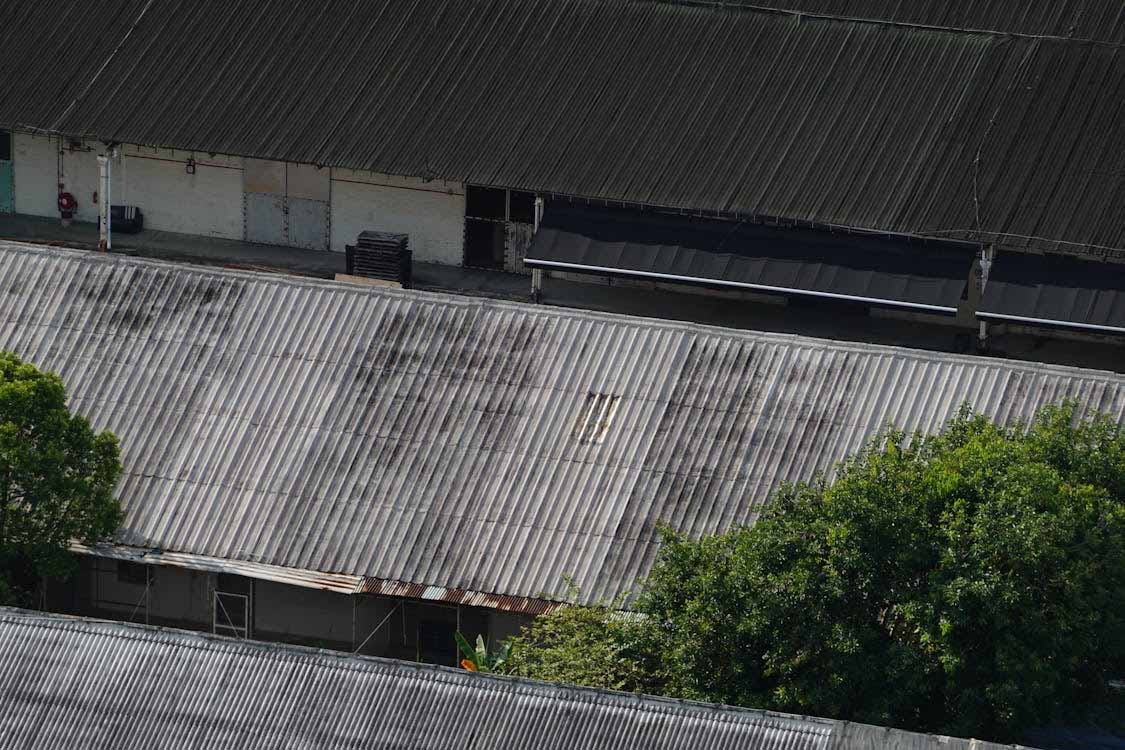
If the roof has general wear everywhere, not just one corner, it’s a strong indicator it’s near the end. Faded, chalky finishes, brittle sheets, and patchwork repairs scattered across the roof usually mean the roof is telling you it has had its run.
7. Decramastic tiles or old pressed metal tiles are breaking down
Decramastic roofs were common for decades, but once they age, you often see stone chip loss, corrosion, lifted fixings, dents, and recurring leaks. Repairs on decramastic can be short-lived, particularly if the underlay is degraded. This is a common scenario where replacement makes the most sense.
If you’re in this situation, consider our re-roofing solutions for Auckland homes.
8. You’ve had storm damage and the roof is already ageing
Storm events expose weak roofs. If your roof is already near the end of its life, wind damage can be the tipping point. A repair might get you through the next few months, but a replacement prevents repeat failures as the next storm hits.
9. You’re spending money repeatedly, with no real improvement
If you’ve paid for multiple call-outs, sealants, or “temporary fixes”, add it up. Many homeowners are surprised how quickly repeat repair costs approach the cost of a replacement, without delivering peace of mind.
10. The roof is simply old
Age alone isn’t the only factor, but it matters. Once a roof is well into its later years, components like underlay, flashings, fixings, and coatings are all aging together. That’s why older roofs can start to fail in clusters.
Does your Roof Need Replacing? A Quick Checklist
A roof replacement is usually the right move if you tick three or more of the boxes below:
- Multiple leaks or leaks that return after previous fixes
- Rust or corrosion appearing in several areas
- Lots of lifted fixings, cracked washers, or patch repairs
- Evidence of damp, mould, or ceiling damage inside
- Roof looks worn across most of the surface
- Decramastic tiles breaking down
- You want a long-term solution, not another short-term patch
Why replacement is often safer and cheaper long-term
When a roof is beyond repair, replacement is not just about stopping water. It’s about protecting the structure and reducing risk.
- Hidden timber damage: Water ingress can rot battens, purlins, and framing over time.
- Electrical risk: Water around wiring and ceiling cavities is not something to ignore.
- Mould growth: Moisture trapped in the roof space can create persistent mould issues.
- Better performance: A modern roof system is more weather-tight, more durable, and easier to maintain.
Why we replace with long run metal roofing
We specialise in long run metal roofing, using standard corrugate profiles because it’s proven, reliable, and suits Auckland homes exceptionally well. Long run metal gives you fewer joins, excellent water shedding, and a clean finish that works across classic and modern homes.
And if you’re switching from tiles or shingles, a re-roof is also a great time to modernise the look of your home without changing the roof shape.
If your home is residential, residential roof replacement is the most relevant service.
What happens next
When homeowners call us about a “repair,” we’ll usually recommend the right next step based on the roof condition. If replacement is the best option, we’ll talk you through timing, product selection, and what the re-roof process looks like. If you’re building or planning a new roof, we also offer new roofing in Auckland.
Contact our Roofing Team