
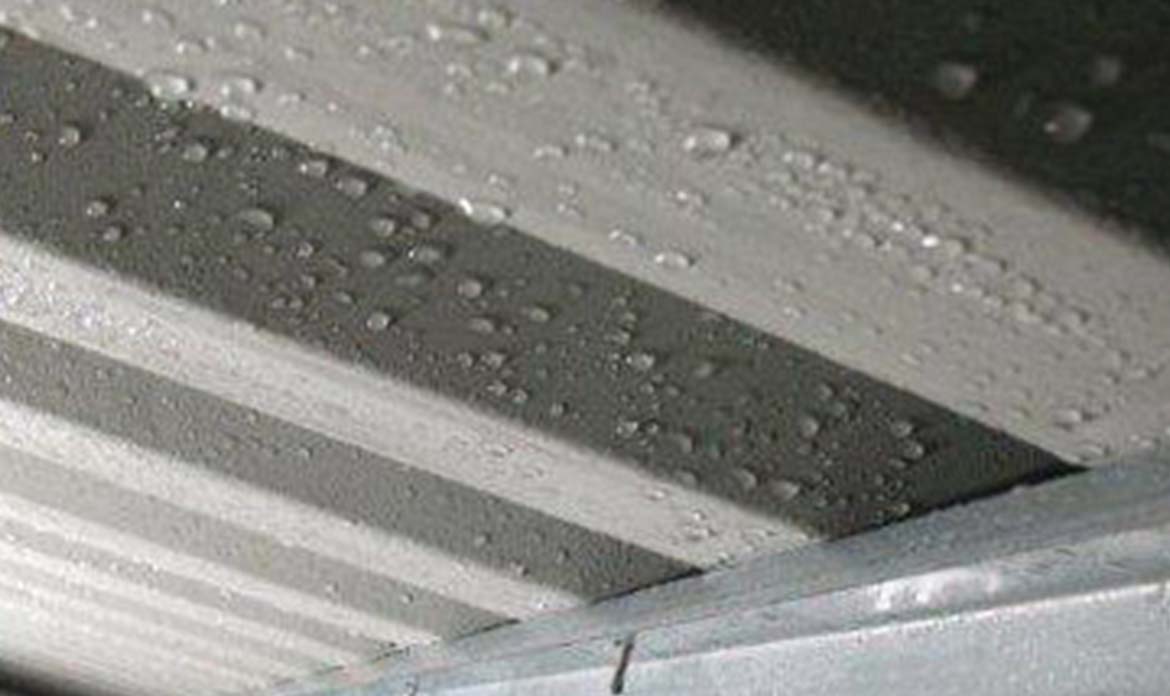
Condensation under a roof can be confusing for homeowners. It can look like a leak, leave damp marks, create musty smells, and make people worry that rain is getting through their roofing sheets. In some cases, it is a leak. In others, the issue is moisture forming underneath the roofing system.
With long run corrugated roofing, condensation is usually not caused by the metal itself. It is caused by warm, moist air meeting a colder roof surface. In Auckland, where homes deal with humid air, changing temperatures, coastal conditions, and older roof cavities, this is something worth understanding properly.
We specialise in long run corrugate roof replacements, so we look at condensation as part of the wider roofing system. The sheet profile matters, but so do underlay, airflow, insulation, roof pitch, penetrations, and the age of the existing roof.
Why Condensation Forms Under Metal Roofing
Condensation forms when warm air carrying moisture reaches a cold surface. The moisture turns into water droplets. Under a roof, this often happens overnight or early in the morning when the outside temperature drops and the metal surface cools.
Auckland homes can be prone to this because many older houses have limited roof ventilation. Moisture can come from cooking, showers, laundry, unflued gas heaters, damp subfloors, or general indoor humidity. If that warm air rises into the roof space and cannot escape, it can collect beneath the roofing system.
A correctly installed long run roofing system should manage this risk with suitable underlay, good detailing, and the right installation approach for the home.
Condensation Or Roof Leak: How To Tell The Difference
Homeowners often call about a “roof leak” when the issue may be condensation. The symptoms can overlap, but there are clues.
Condensation may be the issue if:
- Damp patches appear after cold nights rather than heavy rain
- Moisture is spread across a broader area
- Drips appear inside garages, sheds, or skillion roof areas
- The roof has poor ventilation or no proper underlay
- There is no obvious entry point around flashings or penetrations
A leak is more likely if:
- Water appears during or straight after rain
- The damp mark is localised
- There are rusted screws, failed flashings, or visible roof damage
- The issue worsens in wind driven rain
- The roof has aged coatings, loose fixings, or poor joins
Why Underlay Is So Important
Underlay is one of the most important parts of a modern roofing system. It sits beneath the roofing sheets and helps manage moisture that may form under the metal or enter through wind driven rain.
On older homes, underlay may be missing, brittle, damaged, or no longer performing. We often see this when homeowners are replacing old roofing or upgrading from tired tile systems to corrugate long run metal.
We can remove the old roof and install a modern system with new underlay. That gives the home a better defence against moisture and helps the new corrugate roof perform as it should.
Ventilation Helps The Roof Space Breathe
A roof cavity needs airflow. Without it, warm moist air can get trapped and collect under the roofing system.
Ventilation helps reduce condensation by allowing moist air to escape before it turns into water droplets. This is especially important in homes with skillion ceilings, low roof cavities, garages, extensions, and older houses that were never designed with modern moisture control in mind.
If you are planning new roofing in Auckland, it is worth thinking about condensation early. The best time to solve moisture movement is during the design and installation stage, not after the roof is finished.
Problem Areas We Often See
Some roof areas are naturally more prone to condensation concerns.
Garages And Carports
Garages often have less insulation and less ventilation than the main house. If the underside of the roof is exposed, condensation can be easier to notice.
Skillion Roofs
Skillion roof designs can have limited ceiling space, which means airflow and underlay detailing need to be right from the start.
Extensions
Older extensions are sometimes built differently from the main home. They may have poor ventilation, mismatched roofing details, or insufficient insulation.
Coastal Homes
Salt air and humidity can add pressure to the roof system. This makes correct material selection and detailing especially important.
When Condensation Points To A Bigger Roofing Problem
Condensation itself does not always mean the roof needs replacing. However, if the roof is already old, corroded, poorly fixed, or missing proper underlay, replacement may be the sensible long term answer.
This is common when homeowners are dealing with:
- Old corrugate roofing with failing fixings
- Decramastic tiles that have reached the end of their life
- Shingle roofs with moisture problems
- Damaged or missing underlay
- Repeated dampness in the ceiling space
- Ongoing issues that keep coming back after short term fixes
In those cases, a full residential roof replacement in Auckland can solve several problems at once. It allows us to remove the tired roof covering, inspect the timber, install new underlay, and fit a modern long run corrugate system.
Why Long Run Corrugate Still Works Well
Long run corrugate is a strong roofing option for Auckland homes when installed properly. The profile sheds water well, suits many roof shapes, and provides a clean, proven finish. The key is making sure the whole system is done correctly.
That means:
- Correct underlay
- Suitable ventilation
- Proper flashings
- Good fixing practice
- Correct pitch and drainage
- Materials suited to the property’s environment
Our published blog on Long Run Roofing Installation explains how the replacement process works and why each step matters.
What Homeowners Should Do Next
If you notice dripping, ceiling marks, damp smells, or moisture beneath your roof, do not assume it is only a leak. It may be condensation, a roof failure, or a combination of both.
The best next step is to have the roof assessed properly. We can look at the age and condition of the roofing, check the underlay where visible, consider ventilation, and explain whether the issue points to a failing roof system.
Long run corrugated roofing can perform for decades in Auckland, but the details underneath matter. If condensation is becoming a repeated issue, a properly specified roof replacement may give you a drier, cleaner, and far more reliable result.
Get in Touch