
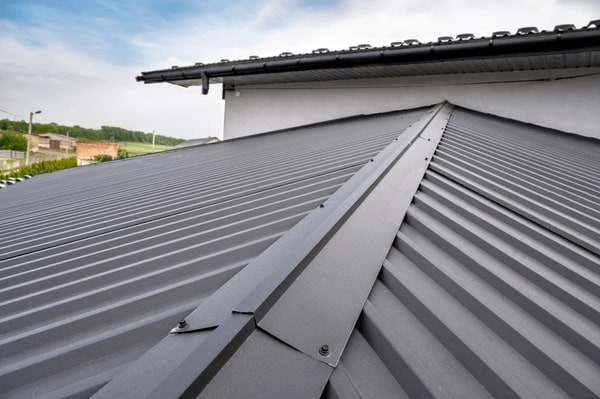
Long run metal roofing has become the leading choice for Auckland homeowners. With its lightweight strength and impressive lifespan, it offers a modern look and performs well in New Zealand’s mix of wet winters and salty coastal air. Once installed correctly, long run roofs demand less attention than many other materials. That said, even low‑maintenance roofs benefit from regular care to keep them watertight and looking sharp. Below are essential maintenance tips for preserving your long run roof and protecting your home.
Understand Auckland’s Climate Challenges
Auckland’s humid subtropical climate, combined with frequent rain and salt‑laden coastal winds, creates unique challenges for metal roofing. Heavy rain can wash away protective coatings over time if debris is left to collect. Salt spray near the coast accelerates corrosion if it is not rinsed away. By recognising these factors, homeowners can take proactive steps to prevent damage and extend the life of their roof.
Get in Touch1. Inspect Your Roof Regularly
Although long run roofs are resilient, routine inspections help catch issues early. At least twice a year, check your roof for:
- Loose fixings or lifted panels. Storms can loosen screws or push panels out of alignment. Addressing small movements early prevents wind from lifting sheets during the next wind storm.
- Surface damage and rust spots. Salt air near the coast can cause small rust patches to form; inspect ridges, valleys, and overlaps for discolouration and treat promptly.
- Damaged flashings and sealants. Flashings around chimneys, skylights and roof penetrations are common leak points. Ensure sealants are intact and replace any cracked or brittle sections.
If you are unsure what to look for, our long run roofing specialists in Auckland can perform a professional inspection and provide tailored advice.
2. Keep Gutters and Valleys Clear
Blocked gutters and valleys cause water to back up under the roofing sheets. In humid Auckland, leaves and debris accumulate quickly. Clear them at least twice a year and after major storms. Removing organic material also reduces the risk of mould and moss taking hold. Clean downpipes and check that water flows freely away from the roofline.
During your cleaning routine, ensure guards, fascia and soffit boards are intact. Damage to these elements can allow water to enter the roof cavity and undermine insulation. If your gutters are repeatedly overflowing or rusting, consider having them replaced when undertaking roof replacements.
Get in Touch3. Wash Away Salt and Contaminants
Natural rain will rinse off most contaminants from the top surface of a roof. However, sheltered sections such as eaves, undersides of gutters or areas beneath solar panels do not receive sufficient washing and need manual cleaning. For high‑risk “unwashed” areas, more frequent cleaning is necessary.
To wash your long run roof:
- Use a garden hose and soft brush or sponge. Avoid high‑pressure water, which can damage protective coatings.
- For stubborn grime or salt build‑up, use a mild detergent mixed with water. Rinse thoroughly to prevent residue.
- Do not walk on wet metal surfaces unless you have appropriate safety equipment; use professional cleaners for difficult access areas.
Regular washing maintains the appearance of your roof and prolongs the life of factory‑applied coatings.
4. Manage Moss, Lichen & Debris
Auckland’s moist climate encourages moss and lichen growth on shaded sections of metal roofs. While these organisms do not immediately compromise structural integrity, they trap moisture and can lead to corrosion over time. Use a roof‑safe moss and mould treatment or hire a professional for removal. Trim overhanging tree branches to reduce leaf litter and shade. Encouraging air flow and sunlight helps keep the surface dry and deters growth.
After storms, clear away larger debris such as branches and fruit that may have landed on the roof. Sharp objects can puncture coatings and cause premature wear. When removing debris, avoid dragging items across the metal to prevent scratching.
5. Check Fasteners and Flashings
Screws and nails are the weak points where water can penetrate the roofing system. Inspect fixings for signs of rust, loose washers, or missing caps. Replace any that show corrosion or are no longer securing the panel firmly. Aluminium or galvanised screws with rubber seals are recommended to maintain watertightness.
Flashings, the protective strips around joins and penetrations, are critical for leak prevention. Weather, movement and UV exposure degrade sealants over time. Reapply roofing sealant to any areas showing cracks or gaps. Pay particular attention to around chimneys, vents and skylights. Prompt repairs prevent small issues from escalating into costly leaks.
6. Maintain Roof Coatings
Most long run roofs come with factory‑applied coatings, which provide colour and corrosion resistance. Over the decades, these coatings may fade or chalk due to UV exposure. Gentle washing helps maintain the finish. When the coating begins to deteriorate, consider recoating the roof. A professional repaint not only refreshes the appearance but also adds a new protective layer, extending the roof’s lifespan and preserving its low‑maintenance benefits.
7. Ensure Adequate Ventilation & Insulation
A dry roof space is essential for a healthy, energy‑efficient home. Condensation can build up in poorly ventilated attic spaces, particularly during damp Auckland winters. Check that soffit vents and ridge vents are clear, allowing moist air to escape. Ensure insulation is continuous and not compressed; this prevents thermal bridging and supports the roof’s ability to regulate temperature. If you notice persistent condensation or mould in the roof cavity, seek advice from professionals to assess the ventilation and insulation arrangement.
8. Recognise When It’s Time to Re‑Roof
Even with diligent maintenance, every roof has a finite lifespan. Long run metal roofs can last 40 to 70 years when properly installed and maintained. Signs that you may need to consider a new roof include widespread rust, recurring leaks, or a coating that has deteriorated beyond repair. In such cases, re‑roofing with a modern long run system can be a more cost‑effective investment than continual patching. A new roof reduces the need for frequent repairs and maintenance, offers improved insulation, and gives you peace of mind.
Advance Roofing specialises in re‑roofing using high‑quality metal products that are designed to withstand Auckland’s extreme weather and require minimal upkeep. Our experienced team provides free, no‑obligation quotes so you can plan confidently.
9. Schedule Professional Maintenance
While there are many tasks homeowners can perform themselves, periodic professional maintenance is invaluable. A licensed roofer will:
- Conduct a comprehensive inspection, including areas not visible from the ground.
- Test fixings and seams for movement or wear.
- Apply treatments or sealants with the correct materials and techniques.
- Provide recommendations on when recoating or replacement will be needed.
Professional check‑ups are especially important if your roof is exposed to coastal salt or heavy industrial pollution. Regular inspections and maintenance provide peace of mind and ensure your home remains protected.
Get in TouchPartner with Auckland’s Roofing Experts
Long run metal roofing offers many advantages: durability, energy efficiency, and low maintenance. However, consistent care is still essential to maximise its lifespan. By following the maintenance practices outlined above, you will protect your investment and avoid unexpected costs.
At Advance Roofing, we have been serving Auckland homeowners for over two decades. As a trusted re‑roofing company, we understand the local climate and the demands it places on your roof. Whether you need advice on maintenance, a minor repair, or a full replacement, our team is here to help. Contact us today for expert guidance and a free quote tailored to your home.
Get in Touch